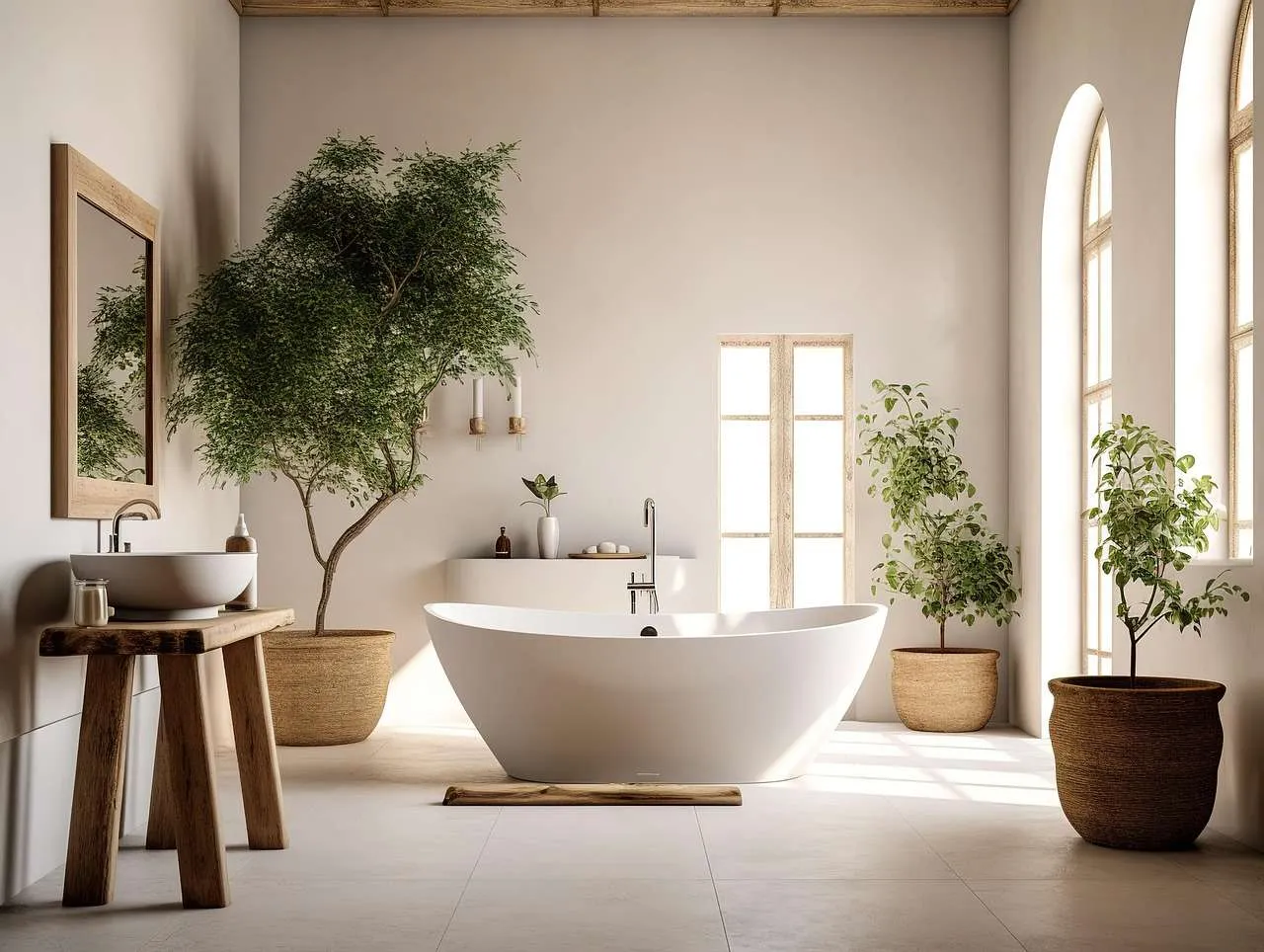
Choosing bathroom tiles sets the tone for the room, influencing style, durability, and maintenance. This guide, written by an experienced tile specialist, explains common materials, installation considerations, and care routines to help homeowners make confident decisions. By combining practical advice with design insight, the article aligns with EEAT standards—expertise, authoritativeness, and trustworthiness.
Types of bathroom tiles
There are several popular materials, each with advantages for walls, floors, or wet zones.
Ceramic tiles
Ceramic tiles are glazed or unglazed clay tiles that are lightweight and affordable. They are ideal for walls, backsplashes, and shower niches. Glazed ceramic tiles resist stains and moisture, while unglazed versions may require sealing. They are easy to cut for complex layouts and offer a wide range of colors and patterns.
Porcelain tiles
Porcelain tiles are dense, with low water absorption, making them highly durable for floors and wet areas. They resist staining and wear well in high-traffic bathrooms. They come in large formats and a variety of finishes, including matte and beveled edges. The higher cost is often offset by longevity and reduced maintenance.
Natural stone tiles
Natural stone such as marble, travertine, or slate delivers a premium look with unique veining. Stone tiles require sealing, careful maintenance, and compatible substrates. They can be more prone to etching or staining from certain cleaners, so use pH-neutral cleaners and reseal regularly.
Glass and metallic tiles
Glass tiles and metallic accents bring reflections and depth, often used as backsplashes or decorative bands. They are non-porous and easy to clean but can be slippery when wet in floor applications and may require skilled installation.
Key considerations for bathroom tiles
Moisture and durability are primary concerns in bathrooms. Choose tile materials with appropriate water absorption rates and slip resistance. For shower floors, look for slip resistance (measured as DCOF) and non-slip textures. Consider tile size and layout: larger formats reduce grout lines and create a seamless look, while small mosaics offer grip and detail in curved showers.
Slip resistance and safety
In wet areas, select tiles with good slip resistance. Look for a higher Dynamic Coefficient of Friction (DCOF) rating or a textured surface for floors. For walls, aesthetics may trump grip, but always plan for safe stepping surfaces in showers and around tubs.
Layout, color, and grout
Tile size and layout affect perceived space. Light colors with contrasting grout brighten small baths, while matching grout tones offer a calm, continuous look. Patterned tiles or herringbone layouts add character but require precise cutting.
Substrates and moisture barriers
Showers require proper waterproofing and a moisture barrier. A qualified installer should confirm a suitable substrate, waterproof membrane, and proper drainage to prevent leaks that can cause damage under tiles.
Installation and maintenance best practices
Preparation matters. Ensure a clean, stable substrate, correct waterproofing, and appropriate thinset mortar. For natural stone, use a penetrating sealer and a compatible grout. Grout color can either blend with or contrast against tile, affecting the final look.
Maintenance is easier with non-porous tiles and sealed surfaces. Clean with pH-neutral cleaners and avoid acidic products that can damage stone or glaze. Regular resealing of natural stone floors or showers helps protect against staining.
Cost considerations and planning
Tile prices vary by material, size, and finish. Typical ranges (USD per square foot) include: ceramic tiles $1–3, porcelain tiles $3–8, natural stone tiles $8–25, glass tiles $7–20. Labor costs add to the total and depend on complexity, patterning, and surface prep. A thoughtful plan—sample boards, accurate area measurements, and a moisture-friendly installation—reduces surprises and improves long-term results.
Design ideas and trends
Current trends emphasize warmth, texture, and light. Large-format porcelain in warm neutrals, wood-look tiles for living spaces, matte finishes, and subtle textures work well in smaller bathrooms. Mix-and-match in moderation, such as a stone-look vanity wall with ceramic floor tiles, or glass mosaics as a shower niche accent. Always balance durability with design goals and the home’s overall style.
Tile comparison table
| Tile Type | Pros | Cons | Maintenance | Typical Cost |
|---|---|---|---|---|
| Ceramic | Affordable, easy to cut, wide range | Less durable on floors; can chip | Easy; mild cleaners | $1–3 |
| Porcelain | Dense, durable, versatile formats | Heavier; harder to cut | Low maintenance; sealant not always required on glazed | $3–8 |
| Natural Stone | Luxurious look; unique veining | Requires sealing; higher maintenance | Seal periodically; special cleaners | $8–25 |
| Glass | Reflects light; non-porous | Slippery on floors; pricey | Easy to clean; avoid abrasive cleaners | $7–20 |
Conclusion and next steps
Conclusion, selecting bathroom tiles is a balance of aesthetics, durability, and upkeep. Start by identifying the space where tiles will be installed, then match material properties to moisture exposure and foot traffic. Consider size, pattern, and grout color to influence perceived space. Work with a qualified installer for waterproofing and layout, and plan a maintenance routine to preserve the tile and grout over time.