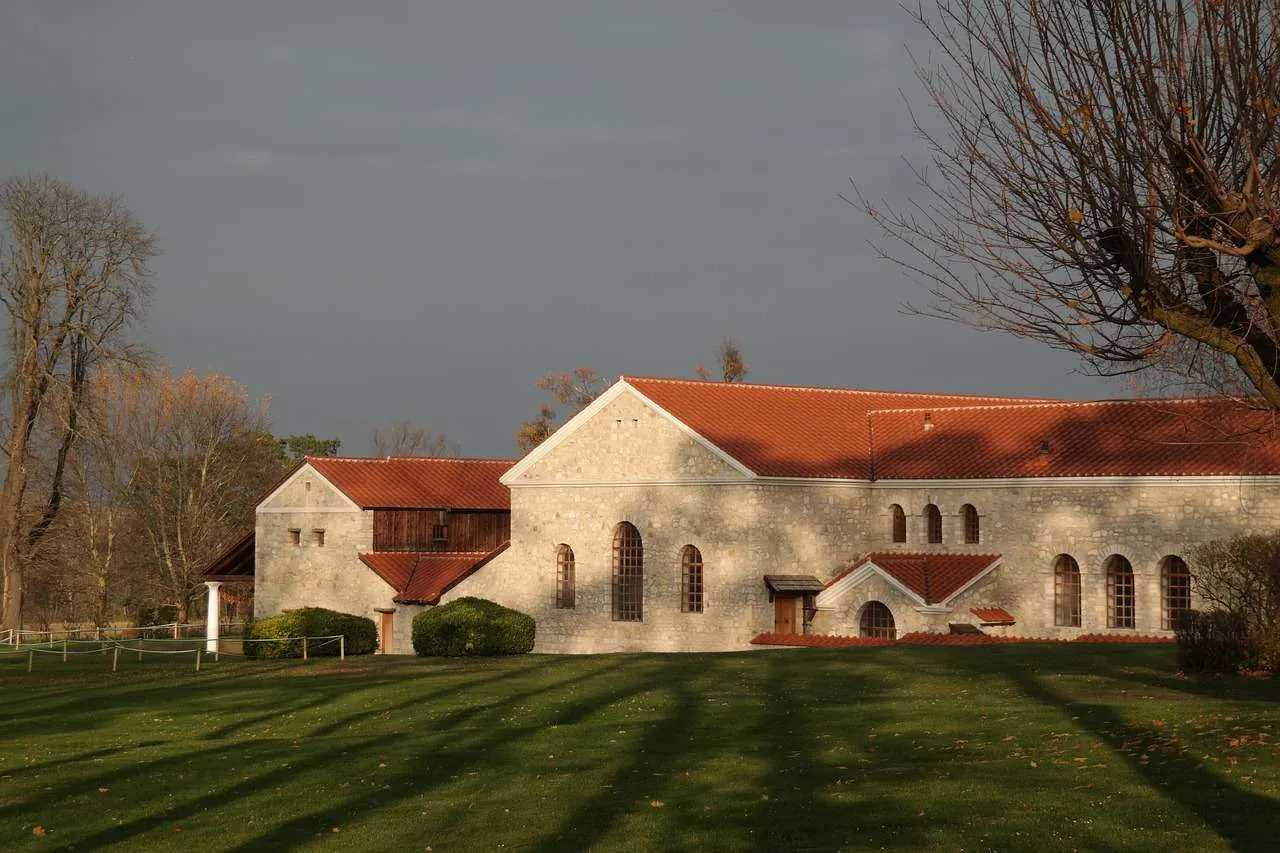
Corrugated metal roofing has gained popularity for its durability, lightweight profile, and versatile aesthetics. This guide explains what corrugated metal roofing is, the materials used, advantages and drawbacks, installation basics, maintenance, and costs, so homeowners and contractors can make informed decisions based on long-standing industry practices.
What is corrugated metal roofing?
Corrugated metal roofing uses wavy, interlocking panels typically made from steel, aluminum, or copper. The corrugation adds stiffness, allowing long spans with a lightweight product. Panels are usually installed with exposed fasteners or concealed fasteners, depending on the profile and climate. The result is a roof that sheds water efficiently, resists wind uplift, and offers a distinctive architectural look.
Materials and finishes
Common materials
The most common options are galvanized steel, aluminum, and copper. Galvanized steel is affordable and strong, but may rust if the coating deteriorates. Aluminum is lighter and highly resistant to corrosion, making it suitable for coastal areas. Copper provides a premium appearance and excellent longevity but at a higher upfront cost. Each material responds differently to temperature, humidity, and hail, so select based on climate and budget.
Finishes and coatings
Quality finishes, such as PVDF or Kynar 500 coatings, protect metal panels from fading and corrosion. Painted or powder-coated options are available in a wide range of colors. A professional coating choice can extend color life and may qualify for longer warranties from manufacturers.
Advantages of corrugated metal roofing
- Durability and wind resistance
- Lightweight and easy to handle
- Fast installation and broad design flexibility
- Low maintenance and long service life
- Good energy performance in many climates
Drawbacks and considerations
- Can dent under severe hail or impact, depending on material and thickness
- Exposed fasteners in some profiles may require more maintenance
- Noise can be louder than other materials if not insulated properly
- Higher upfront cost than basic asphalt shingles
Installation considerations
Key decisions include panel gauge, fastener type, and underlayment. A minimum roof slope is required for certain corrugated profiles to ensure water shedding and edge protection. Professional installation is recommended for flashing around chimneys, skylights, and roof edges. Panels typically come in standard widths with field-cut edges; proper field measurement reduces waste and labor time.
Cost and lifespan
Installed costs vary by material and region but generally range from $4 to $12 per square foot. Steel or aluminum panels with basic finishes sit toward the lower end, while copper or premium PVDF coatings rise toward the top. Lifespan often exceeds 40 years, with some profiles and metals lasting 60–70 years under proper maintenance and climate conditions.
Comparison with other roofing types
| Roof Type | Material | Longevity | Weight | Installed Cost/ft² | Pros | Cons |
|---|---|---|---|---|---|---|
| Corrugated Metal Roofing | Galvanized Steel / Aluminum / Copper | 40–70 years | 3–6 lb/ft² | $4–$12 | Durable, lightweight, fast installation | Possible denting; needs proper fasteners |
| Asphalt Shingles | Fiberglass / Organic | 15–30 years | ≈2.5 lb/ft² | $3–$6 | Low upfront cost; easy to repair | Shorter lifespan; weathering varies |
| Standing Seam Metal | Metal | 40–50+ years | 4–6 lb/ft² | $8–$15 | Seamless look; superior wind resistance | Higher installed cost |
| Clay/Concrete Tile | Concrete / Clay | 50–100 years | 14–22 lb/ft² | $10–$25 | Fire resistant; long life | Heavy; structural reinforcements may be needed |
Maintenance and care tips
Inspect fasteners and sealants annually, especially after storms. Keep gutters clean to prevent water back-up, and wash panels with a soft brush and mild detergent if dirt accumulates. Recoat or repaint when fading occurs to protect color and finish, typically every 15–20 years depending on exposure.
FAQ
- Q: Is corrugated metal roofing louder than other materials during rain?
- A: It can be noisier without proper insulation, but many installations include roof underlayment and attic insulation to mitigate sound.
- Q: Can corrugated panels be used on all roof pitches?
- A: Most profiles require a minimum slope; consult manufacturer guidelines and local codes.
- Q: What maintenance does it require?
- A: Routine inspection of fasteners, coatings, and sealants; cleaning and occasional coating refreshment extend life.
Conclusion, Corrugated metal roofing combines strength, flexibility, and longevity with a modern look that complements many architectural styles. By selecting the right material and finish, ensuring professional installation, and following a proactive maintenance plan, homeowners and builders can achieve durable performance and strong long-term value.