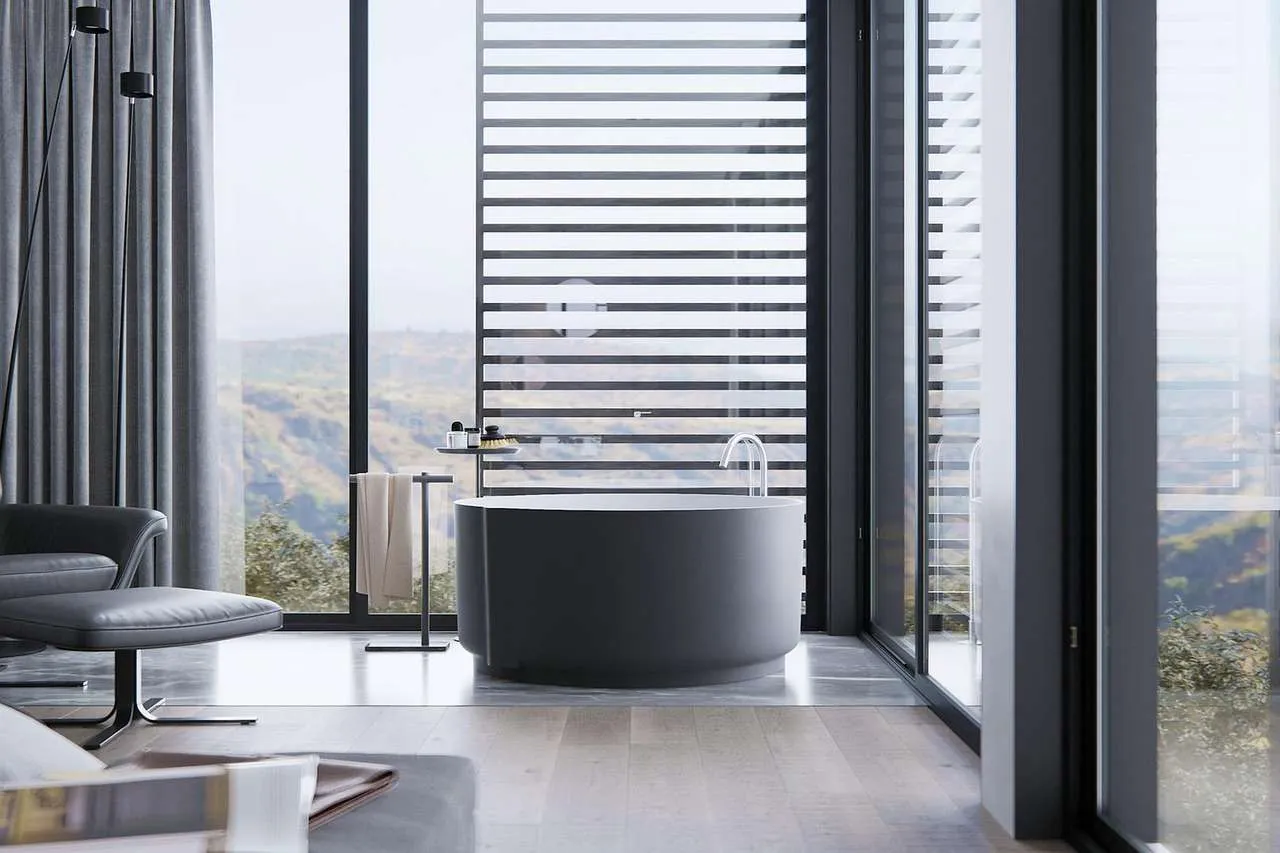
What is home window tinting and why it matters
Home window tinting refers to applying a thin protective film to the interior surface of glass to improve comfort, protect furnishings, and lower energy use. This upgrade has evolved from a cosmetic option to a practical, energy-efficient feature that many homeowners consider for year‑round climate control, privacy, and safety. In this guide, you’ll learn about the science behind tint films, the main types available, how to choose the right option, and how to work with reputable installers to meet EEAT standards.
Benefits of home window tinting
Tinting delivers several tangible benefits for residential spaces. By blocking UV rays, reducing glare, and diminishing heat transfer, it helps protect interiors and improve daily comfort. In addition, tint films can provide greater privacy during the day without sacrificing outward visibility, and some films add a layer of safety by holding shattered glass together in the event of impact. When selected and installed properly, home window tinting can also contribute to energy efficiency by lowering cooling loads in hot months.
UV protection and interior health
Most modern window films block a high percentage of ultraviolet radiation, which helps prevent fading of flooring, furniture, artwork, and textiles. UV protection also reduces eye strain for occupants working on screens or reading in sunlit rooms.
Energy savings and comfort
Tint films reduce solar heat gain, helping to keep living spaces cooler in the summer and more stable in transitional seasons. The exact impact depends on climate, orientation, glass type, and the film itself, but many homes notice a more comfortable environment and lower cooling costs over time.
Privacy and aesthetics
Tint films range from light to dark, with options that minimize visible light while preserving outward visibility during the day. For added privacy or a non-reflective look, ceramic or carbon films offer strong performance without a mirrored exterior.
How to choose the right home window tint
Key factors to evaluate
- Local regulations: some jurisdictions limit tint darkness or reflective coatings, and certain HOA rules may apply.
- Visible light transmission (VLT): higher VLT preserves natural light and appearance; lower VLT increases privacy and glare control.
- Heat rejection and UV performance: select a film with proven heat rejection and UV blocking ratings to maximize comfort and protection.
- Durability and warranty: look for scratch resistance, warranty duration, and manufacturer certifications for installers.
- Installation quality: a clean, bubble-free application and proper edge sealing are essential for long-term performance.
Choosing the installer
Work with licensed, insured professionals who provide in‑home consultations, samples, and a written warranty. Ask for manufacturer-backed certifications or accreditation from a recognized installation program. A transparent estimate that details material type, glass area, and expected performance demonstrates reliability and aligns with EEAT standards.
Tint types and how they compare
The following table outlines common residential film options and their typical trade-offs. Note that performance varies by product line and installation conditions.
| Dyed film | Low cost; enhances appearance; moderate UV rejection; can fade over time; less durable |
| Metalized film | Excellent heat rejection; reflective appearance; may interfere with electronics; mid-range durability |
| Ceramic film | Strong UV rejection; non‑conductive; minimal signal interference; high durability; higher cost |
| Carbon film | Good heat rejection; non-reflective finish; durable; mid-to-high price |
Installation, maintenance, and long-term care
A professional installation yields the best results. The process typically includes precise measurement, meticulous surface cleaning, careful film cutting, and the use of squeegees to eliminate bubbles. Maintenance is straightforward: clean with mild soap and water, avoid abrasive cleaners or scrubbing pads on the film, and inspect edges periodically for lift or wear. A reputable installer provides guidance on cleaning products and schedules periodic resealing if needed.
Cost considerations and return on investment
Costs vary based on film type, window size, and installation complexity. Dyed films tend to be the most affordable option, while ceramic and carbon films offer greater energy performance and durability at a higher upfront price. A qualified installer can deliver a written estimate and outline expected ROI through energy savings, furniture protection, and potential improvements in comfort and daylighting without sacrificing exterior appearance.
EEAT and why it matters for home window tinting
EEAT stands for Expertise, Experience, Authoritativeness, and Trust. In window tinting, this means:
- Expertise: rely on installers with formal training and manufacturer certifications.
- Experience: ask for case studies or before-and-after photos from similar homes.
- Authoritativeness: verify licenses, insurance, and clear warranty terms.
- Trust: read independent reviews and obtain transparent pricing and post-install support.
Conclusion
Conclusion, home window tinting offers UV protection, glare reduction, energy savings, privacy, and enhanced safety when selected and installed correctly. By understanding film types, respecting local regulations, and partnering with a qualified installer, you can achieve durable performance and lasting value while aligning with EEAT principles for trustworthy guidance.